News Summary
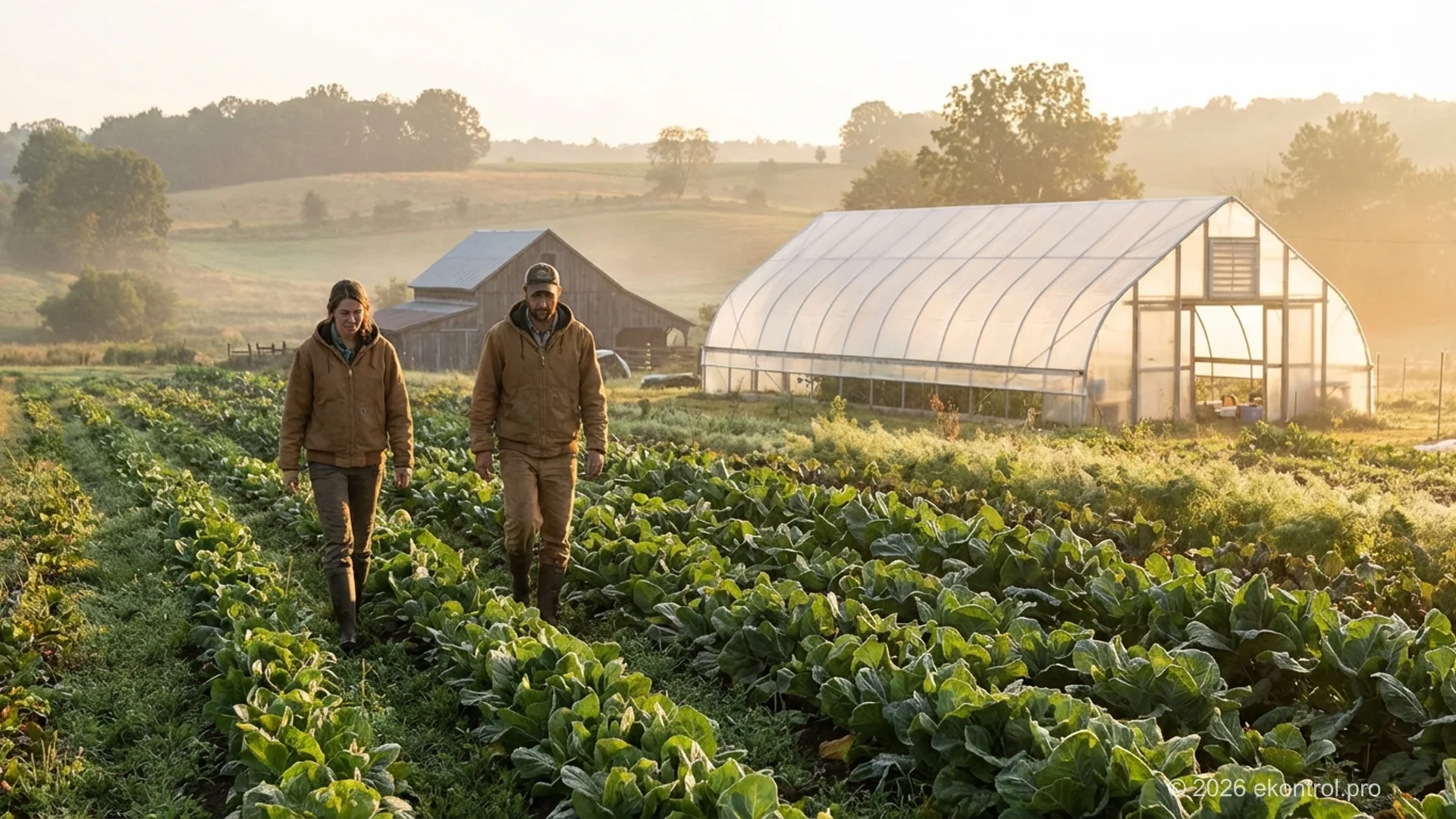
TAS Agro announced that it has certified all of its elevator facilities and seed plant to the ISO 22000 standard. Yaroslav Stratutsa, Director of the Elevator Operations Department, stated that certification requirements in Ukraine are becoming more systematic, and grain traceability is shifting from a "nice-to-have" to a "must-have."
In simple terms, the company has taken a major step: it confirmed that its grain storage and processing operations meet international food safety requirements. This applies not to a single facility but to the entire network of elevators and seed production, which significantly boosts confidence among partners, traders, and end consumers.
The news is also important because it reflects a comprehensive approach rather than a one-off certification of a single site. When standards are applied across the entire network, it means shared rules, unified procedures, and consistent requirements for staff at every location. For an agricultural business with a large geographic footprint, this is critical, because the "human factor" is most often what creates quality gaps between locations.
Why It Matters for the Market and Clients
When a large agricultural company achieves full certification, it sends a signal to the entire market. First, transparency increases: buyers and partners understand that quality control is not sporadic but operates across all facilities. Second, it brings stability — certification requires regular internal and external audits, which means processes become manageable.
For clients, this means predictability: grain batches undergo standardized inspections, and there is a documented history of movement and storage conditions. For the market as a whole, it means fewer risks and greater trust, because the "rules of the game" become the same for every participant in the supply chain.
There is another dimension — reputation. Certification of large-scale infrastructure assets is always read by the market as a signal: the company is ready to openly demonstrate its processes and undergo audits. This strengthens trust among traders, processors, and international partners, especially when long-term contracts or strategic deliveries are involved.
For Ukraine, it is important to build a culture of responsible handling of food raw materials. Grain is the starting point of the food chain, and this is precisely where risks need to be minimized. When elevators operate under ISO 22000, they set the standard for every subsequent link — from processing to export. This makes the entire chain more resilient and predictable.
What Is ISO 22000 in Plain Language
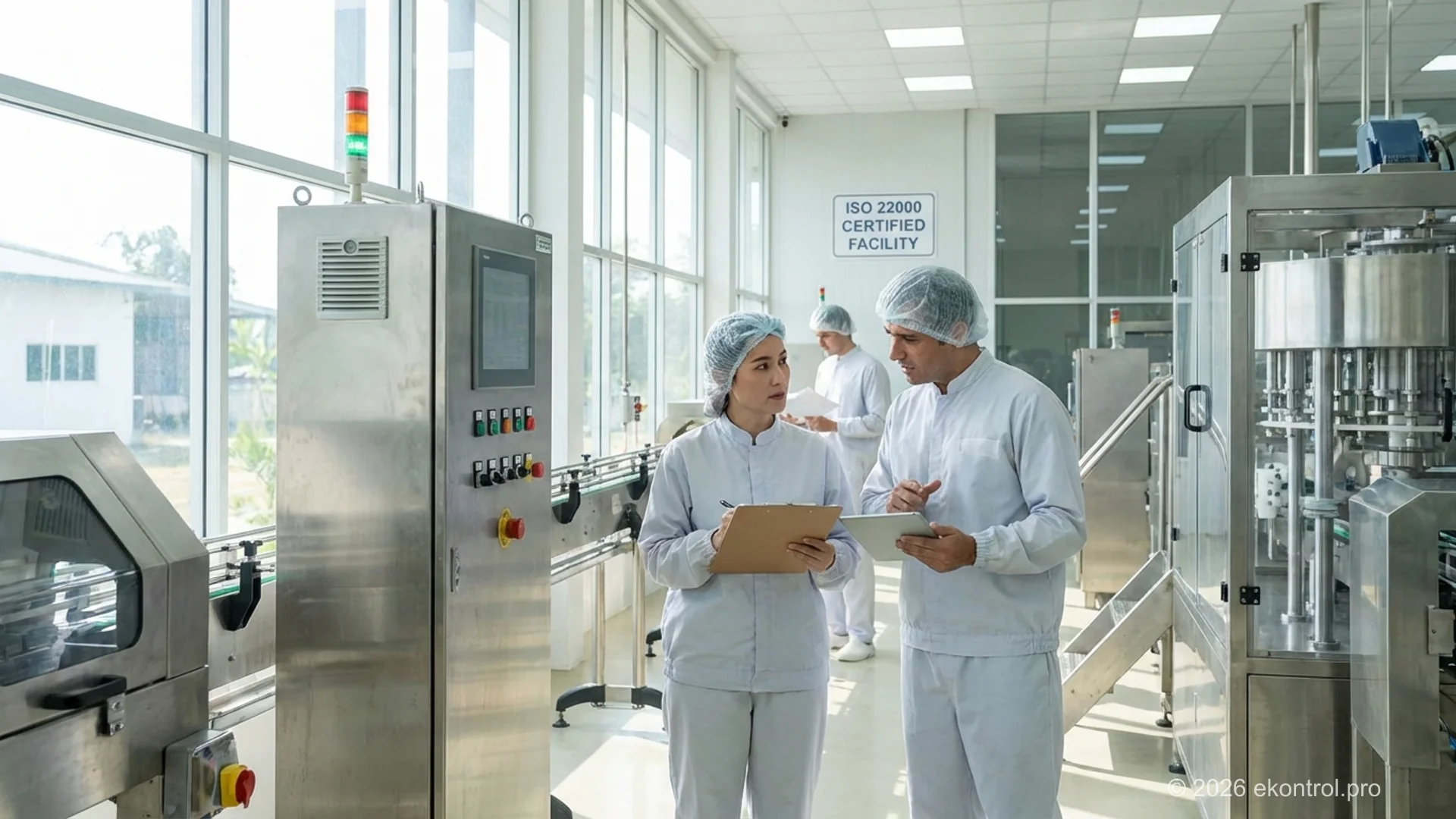
ISO 22000 is an international standard that describes how a company should manage food safety. For an elevator or seed plant, this means everything that happens with grain or seed must be controlled, transparent, and documented.
The standard is based on the principles of ISO 22000 — a system of hazard analysis and critical control points. Put simply, it is a set of rules that helps identify where risks may arise (for example, contamination, batch mixing, or storage condition errors) and how to prevent them.
ISO 22000 does not make operations "perfect," but it demands discipline. And discipline in the food industry means safety and consistent quality — exactly what both domestic and international markets expect.
It is important to understand that ISO 22000 is not just about "paperwork." It is about risk management, regular inspections, and accountability for every role in the process. The standard requires a company not merely to react to problems but to prevent them. That is why it has become a universal language for the food business.
In practice, this means clearly defined critical points, staff instructions, temperature and humidity controls, flow separation, cleaning and pest-control protocols, and transparent communication with counterparties. It may all sound complex, but ultimately it reduces losses and makes quality more consistent.
What Changes for Elevators and the Seed Plant
For elevators, certification means clear rules for grain storage and handling: how each batch is received, identified, where and how it is stored, and how it is separated from other batches. It may look like "bureaucracy," but in reality it is risk management.
For the seed plant, certification adds even greater responsibility. Seed is a product that determines the quality of the future harvest, so errors in storage, processing, or labeling can be extremely costly. ISO 22000 codifies the requirements for these processes and makes them controllable.
As a result, the company gains a more manageable operating system — not one based on "gut feeling," but on clear rules that can be verified, confirmed, and explained to partners.
At an elevator, the critical moments are intake and initial quality control, cleaning, drying, storage, transfer, and dispatch. At every point, risks can emerge: batch mixing, storage condition violations, equipment contamination, or human errors in labeling. ISO 22000 requires that these risks be documented and managed.
For the seed plant, additional priorities include seed quality control, line cleanliness, correct labeling, and preventing cross-contamination between crops. When this is managed systematically, the company delivers products with predictable characteristics, and clients receive consistency in seed material quality.
Traceability as the New Standard
In his statement, the company representative emphasized that traceability today is no longer a wish — it is a requirement. And this is indeed the trend: markets increasingly want to see not just "quality" but the full history of a product.
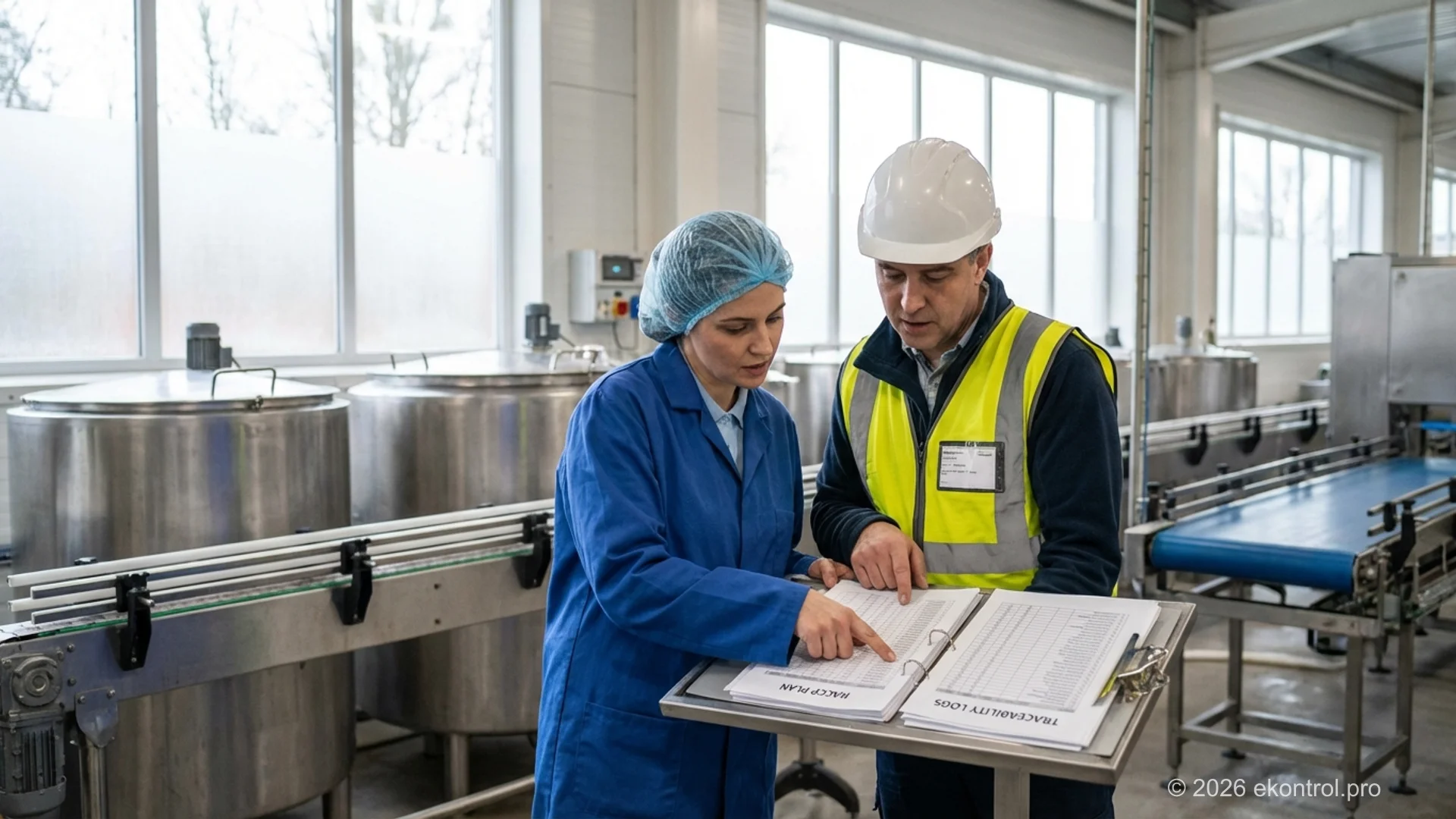
In plain terms, it must be clear exactly where a grain batch came from, under what conditions it was stored, who handled it, and what inspection results were obtained. If a problem arises, it can be quickly localized and resolved without putting the entire volume of production at risk.
For large agricultural companies, this is already standard practice. For clients, it is a guarantee that quality is not accidental but the result of a system.
The company representative also noted that certification is becoming a permanent requirement for every crop and every facility, not just "for a specific export destination." This is an important signal: the market is moving from ad hoc solutions to continuous, systematic control.
When traceability works for every batch, it means not only control but also the ability to make quick decisions when deviations occur. If there is a problem, it is not tracked down "manually" — the system shows exactly where it originated. Ultimately, the business incurs fewer losses, and partners gain greater confidence.
How Long Does Audit Preparation Take
According to Yaroslav Stratutsa, a full preparation of documents for an ISO 22000 audit requires at least three months. This is an important detail: certification is not a formality but a process that demands time and discipline.
During this period, the company must describe its processes, set up control points, train staff, review documentation, and build a records system. Only then can it claim readiness for an external audit.
For businesses, the takeaway is simple: if certification is needed by a certain date, planning must start well in advance. And this is normal — quality cannot be achieved "in a week."
The company also noted that it opted for two certifications: a Ukrainian one in line with national requirements, and one recognized in European countries. This is a "safety-margin" approach — building a system designed to meet multiple sets of requirements at once.
For large networks, this means more work but also greater stability. Documentation must be synchronized, staff in different regions must be trained, and all facilities must operate under a single set of rules. That is precisely why certification of large companies is seen as an indicator of management maturity.
Why Companies Need Certification
ISO 22000 certification is not just for "looking good" in presentations. It solves entirely practical challenges.
First, it opens market access. Many partners and traders only work with those who can demonstrate a food safety management system. Second, it is about risk management: a certified company better understands its weak points and responds to problems faster. Third, it builds trust — from clients, banks, and investors alike.
Finally, certification instills discipline. It compels a business to work "within a system" rather than "by hand." That is why major market players invest in it, and mid-sized companies are increasingly following the same path.
Certification also helps build an internal quality culture. When rules are codified in standards, employees understand not only "what to do" but also "why it matters." This reduces the number of incidents and raises accountability at every level — from elevator operators to top management.
Another practical advantage is scalability. Companies that already hold certification find it easier to open new sites or integrate new assets. They do not build a system from scratch but connect a new facility to an already functioning model.
How Ekontrol Can Help
If your company needs ISO 22000 certification, it is important to engage partners with hands-on experience. The Ekontrol team professionally provides implementation and ISO 22000 certification preparation services, helping build a turnkey food safety management system.
You can learn more about the standard on the ISO 22000 page. For practical support, we recommend the management system implementation service. Companies in the food industry will also find the food industry page useful, where key requirements and typical solutions are gathered.
This approach saves time and reduces audit risks, because you work with a clear plan and well-defined stages.
When working with ISO 22000, it is important not only to prepare the documents but also to establish daily practices: briefings, internal audits, risk analysis, and regular system reviews. These are the stages where difficulties often arise, so support from specialized experts saves considerable time.
In short, comprehensive support typically includes a diagnostic audit, development or adaptation of procedures, staff training, and accompaniment through the certification audit. This approach allows you to pass the assessment stress-free and keep the system alive after the certificate is obtained.
Need ISO 22000 Certification Preparation?
We will help you build a food safety system, train your staff, and pass the audit stress-free.
Submit a RequestConclusion
Certifying an entire elevator network and seed plant to ISO 22000 is a strong signal of business maturity. It shows that the company invests in quality not just in words but through systematic rules and transparent procedures.
For the market, this means greater trust, fewer risks, and clear operating standards. For clients, it means consistent quality and reliable traceability. For the company itself, it means a stronger negotiating position and access to new opportunities.
This news demonstrates that certification in the agricultural sector is no longer an exception. It is becoming a standard practice, especially for companies that want to systematically handle large volumes and long-term contracts.
And the more cases like this, the faster the market gets used to transparent rules. Ultimately, everyone wins: companies gain predictable processes, partners gain reliability, and consumers gain a safe product.
Tags
Need a certification consultation?
Free ConsultationNews Summary
TAS Agro announced that it has certified all of its elevator facilities and seed plant to the ISO 22000 standard. Yaroslav Stratutsa, Director of the Elevator Operations Department, stated that certification requirements in Ukraine are becoming more systematic, and grain traceability is shifting from a "nice-to-have" to a "must-have."
In simple terms, the company has taken a major step: it confirmed that its grain storage and processing operations meet international food safety requirements. This applies not to a single facility but to the entire network of elevators and seed production, which significantly boosts confidence among partners, traders, and end consumers.
The news is also important because it reflects a comprehensive approach rather than a one-off certification of a single site. When standards are applied across the entire network, it means shared rules, unified procedures, and consistent requirements for staff at every location. For an agricultural business with a large geographic footprint, this is critical, because the "human factor" is most often what creates quality gaps between locations.
Why It Matters for the Market and Clients
When a large agricultural company achieves full certification, it sends a signal to the entire market. First, transparency increases: buyers and partners understand that quality control is not sporadic but operates across all facilities. Second, it brings stability — certification requires regular internal and external audits, which means processes become manageable.
For clients, this means predictability: grain batches undergo standardized inspections, and there is a documented history of movement and storage conditions. For the market as a whole, it means fewer risks and greater trust, because the "rules of the game" become the same for every participant in the supply chain.
There is another dimension — reputation. Certification of large-scale infrastructure assets is always read by the market as a signal: the company is ready to openly demonstrate its processes and undergo audits. This strengthens trust among traders, processors, and international partners, especially when long-term contracts or strategic deliveries are involved.
For Ukraine, it is important to build a culture of responsible handling of food raw materials. Grain is the starting point of the food chain, and this is precisely where risks need to be minimized. When elevators operate under ISO 22000, they set the standard for every subsequent link — from processing to export. This makes the entire chain more resilient and predictable.
What Is ISO 22000 in Plain Language
ISO 22000 is an international standard that describes how a company should manage food safety. For an elevator or seed plant, this means everything that happens with grain or seed must be controlled, transparent, and documented.
The standard is based on the principles of ISO 22000 — a system of hazard analysis and critical control points. Put simply, it is a set of rules that helps identify where risks may arise (for example, contamination, batch mixing, or storage condition errors) and how to prevent them.
ISO 22000 does not make operations "perfect," but it demands discipline. And discipline in the food industry means safety and consistent quality — exactly what both domestic and international markets expect.
It is important to understand that ISO 22000 is not just about "paperwork." It is about risk management, regular inspections, and accountability for every role in the process. The standard requires a company not merely to react to problems but to prevent them. That is why it has become a universal language for the food business.
In practice, this means clearly defined critical points, staff instructions, temperature and humidity controls, flow separation, cleaning and pest-control protocols, and transparent communication with counterparties. It may all sound complex, but ultimately it reduces losses and makes quality more consistent.
What Changes for Elevators and the Seed Plant
For elevators, certification means clear rules for grain storage and handling: how each batch is received, identified, where and how it is stored, and how it is separated from other batches. It may look like "bureaucracy," but in reality it is risk management.
For the seed plant, certification adds even greater responsibility. Seed is a product that determines the quality of the future harvest, so errors in storage, processing, or labeling can be extremely costly. ISO 22000 codifies the requirements for these processes and makes them controllable.
As a result, the company gains a more manageable operating system — not one based on "gut feeling," but on clear rules that can be verified, confirmed, and explained to partners.
At an elevator, the critical moments are intake and initial quality control, cleaning, drying, storage, transfer, and dispatch. At every point, risks can emerge: batch mixing, storage condition violations, equipment contamination, or human errors in labeling. ISO 22000 requires that these risks be documented and managed.
For the seed plant, additional priorities include seed quality control, line cleanliness, correct labeling, and preventing cross-contamination between crops. When this is managed systematically, the company delivers products with predictable characteristics, and clients receive consistency in seed material quality.
Traceability as the New Standard
In his statement, the company representative emphasized that traceability today is no longer a wish — it is a requirement. And this is indeed the trend: markets increasingly want to see not just "quality" but the full history of a product.
In plain terms, it must be clear exactly where a grain batch came from, under what conditions it was stored, who handled it, and what inspection results were obtained. If a problem arises, it can be quickly localized and resolved without putting the entire volume of production at risk.
For large agricultural companies, this is already standard practice. For clients, it is a guarantee that quality is not accidental but the result of a system.
The company representative also noted that certification is becoming a permanent requirement for every crop and every facility, not just "for a specific export destination." This is an important signal: the market is moving from ad hoc solutions to continuous, systematic control.
When traceability works for every batch, it means not only control but also the ability to make quick decisions when deviations occur. If there is a problem, it is not tracked down "manually" — the system shows exactly where it originated. Ultimately, the business incurs fewer losses, and partners gain greater confidence.
How Long Does Audit Preparation Take
According to Yaroslav Stratutsa, a full preparation of documents for an ISO 22000 audit requires at least three months. This is an important detail: certification is not a formality but a process that demands time and discipline.
During this period, the company must describe its processes, set up control points, train staff, review documentation, and build a records system. Only then can it claim readiness for an external audit.
For businesses, the takeaway is simple: if certification is needed by a certain date, planning must start well in advance. And this is normal — quality cannot be achieved "in a week."
The company also noted that it opted for two certifications: a Ukrainian one in line with national requirements, and one recognized in European countries. This is a "safety-margin" approach — building a system designed to meet multiple sets of requirements at once.
For large networks, this means more work but also greater stability. Documentation must be synchronized, staff in different regions must be trained, and all facilities must operate under a single set of rules. That is precisely why certification of large companies is seen as an indicator of management maturity.
Why Companies Need Certification
ISO 22000 certification is not just for "looking good" in presentations. It solves entirely practical challenges.
First, it opens market access. Many partners and traders only work with those who can demonstrate a food safety management system. Second, it is about risk management: a certified company better understands its weak points and responds to problems faster. Third, it builds trust — from clients, banks, and investors alike.
Finally, certification instills discipline. It compels a business to work "within a system" rather than "by hand." That is why major market players invest in it, and mid-sized companies are increasingly following the same path.
Certification also helps build an internal quality culture. When rules are codified in standards, employees understand not only "what to do" but also "why it matters." This reduces the number of incidents and raises accountability at every level — from elevator operators to top management.
Another practical advantage is scalability. Companies that already hold certification find it easier to open new sites or integrate new assets. They do not build a system from scratch but connect a new facility to an already functioning model.
How Ekontrol Can Help
If your company needs ISO 22000 certification, it is important to engage partners with hands-on experience. The Ekontrol team professionally provides implementation and ISO 22000 certification preparation services, helping build a turnkey food safety management system.
You can learn more about the standard on the ISO 22000 page. For practical support, we recommend the management system implementation service. Companies in the food industry will also find the food industry page useful, where key requirements and typical solutions are gathered.
This approach saves time and reduces audit risks, because you work with a clear plan and well-defined stages.
When working with ISO 22000, it is important not only to prepare the documents but also to establish daily practices: briefings, internal audits, risk analysis, and regular system reviews. These are the stages where difficulties often arise, so support from specialized experts saves considerable time.
In short, comprehensive support typically includes a diagnostic audit, development or adaptation of procedures, staff training, and accompaniment through the certification audit. This approach allows you to pass the assessment stress-free and keep the system alive after the certificate is obtained.
Need ISO 22000 Certification Preparation?
We will help you build a food safety system, train your staff, and pass the audit stress-free.
Submit a RequestConclusion
Certifying an entire elevator network and seed plant to ISO 22000 is a strong signal of business maturity. It shows that the company invests in quality not just in words but through systematic rules and transparent procedures.
For the market, this means greater trust, fewer risks, and clear operating standards. For clients, it means consistent quality and reliable traceability. For the company itself, it means a stronger negotiating position and access to new opportunities.
This news demonstrates that certification in the agricultural sector is no longer an exception. It is becoming a standard practice, especially for companies that want to systematically handle large volumes and long-term contracts.
And the more cases like this, the faster the market gets used to transparent rules. Ultimately, everyone wins: companies gain predictable processes, partners gain reliability, and consumers gain a safe product.